
Moisture in 3D printing filaments: Main consequences

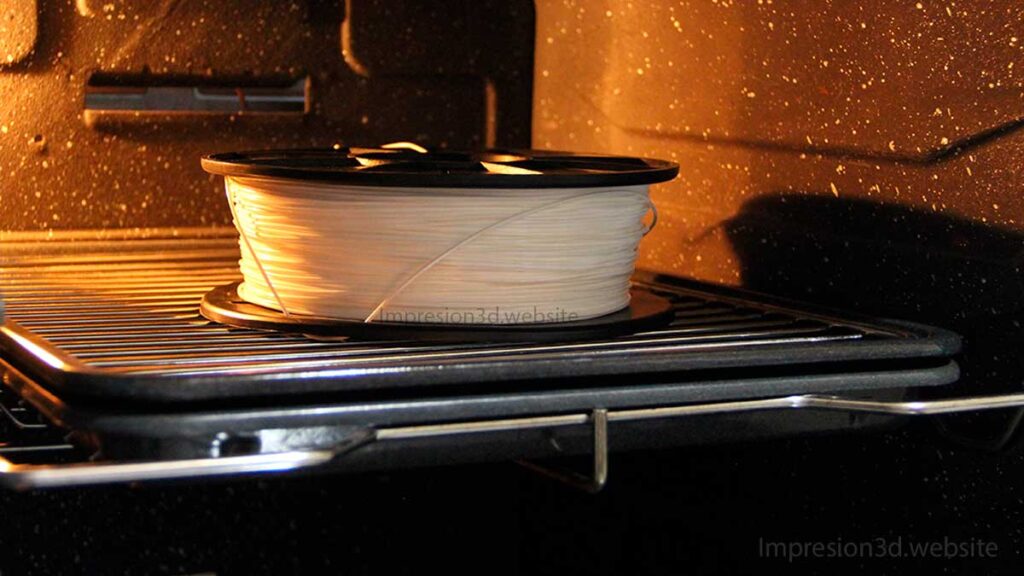
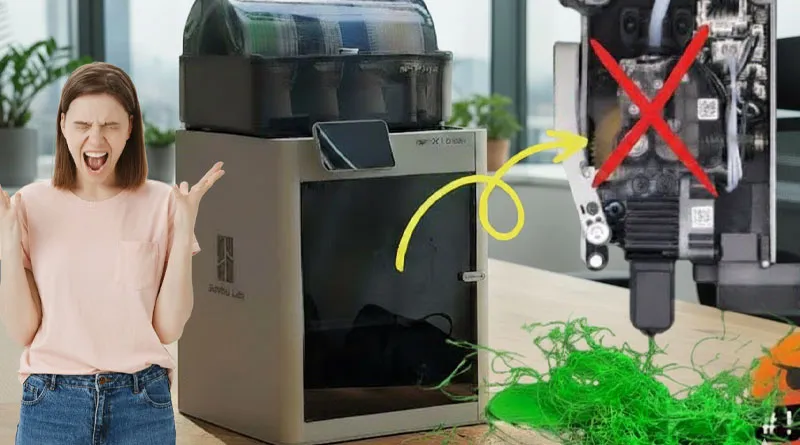
The main consequences of humidity in the filaments are: Layers that do not adhere, Threads, Irregular walls, Leftover filament in the form of bubbles or blobs, Cracks or Hollows in the thin walls.
Many 3D printing filaments have hygroscopic properties, which means they have the ability to absorb water vapor molecules and cause problems with your 3D prints.
Humidity refers to the amount of water vapor in the environment, this can easily spoil your filaments, if you do not have some precautions when storing them.
How do I know if my filament has moisture?
Wet filament prints can have strings, non-stick layers, uneven, brittle thin walls; air bubbles and layer delamination may appear.
- Heat Hotend to the temperature that corresponds to your filament.
- Load the filament until it comes out of the nozzle.
If there is presence of "bursting bubbles" coming out of the nozzle, as well as the oil when it boils and produces that particular sound, it is because your filament has moisture.
It is very possible that if you leave your filaments placed in the filament holder of the printer, or stacked on a shelf have moisture.
In the case of filaments like PetG either Nylon you will notice that the filament is a little softer than normal. Unlike PLA which may have other symptoms, such as splitting and breaking out of nowhere. In any case, if a filament has a lot of humidity you can follow these steps to find out.
Consequences of humidity in the filaments
Let's see now, from a practical point of view, what are the main consequences of having humidity in your filaments.
- Popping sound when printing.
- The extrusion lines are irregular. (cracks, gaps occur)
- The layers do not adhere well. (they get off)
- Printed parts lose hardness and break easily.
- A surplus is produced in the form of bubbles, or "blobs."
- You can favor stringing, or “threads” in your prints
- Blockages in the Hotend, due to an increase in the diameter of the filament.
- Your filament degrades quickly with microcracks.
Not all filaments absorb the same amount of moisture from the environment. This changes according to the type of material, for example: The Nylon, PVA and flexible filaments they are more likely to accumulate moisture, perhaps overnight. PLA on the other hand can absorb less moisture than the aforementioned materials.
1) Popping sound when printing, "Bubbles that burst"
This happens because those small water droplets contained in the filament suddenly evaporate when passing through the hot nozzle.
This causes the filament to burst to release the water vapor contained within.
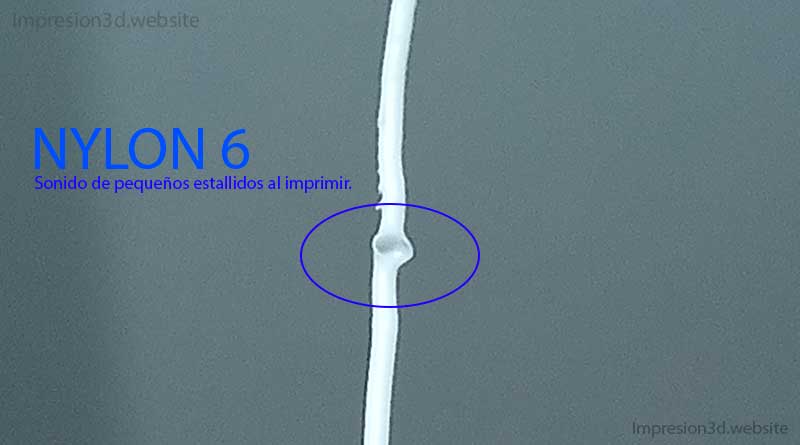
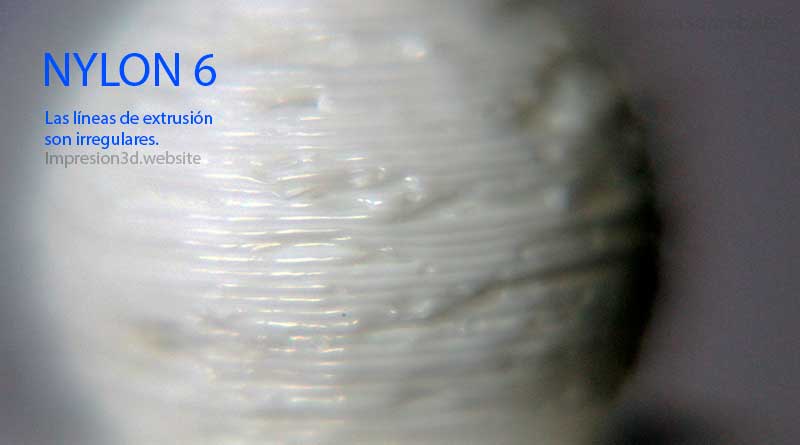
2) The extrusion lines are irregular. (cracks, gaps occur)
After the moisture vapor in the filament explodes, the outer walls of the part will be misshapen.
Its texture will be rough, rough, with a poor finish.
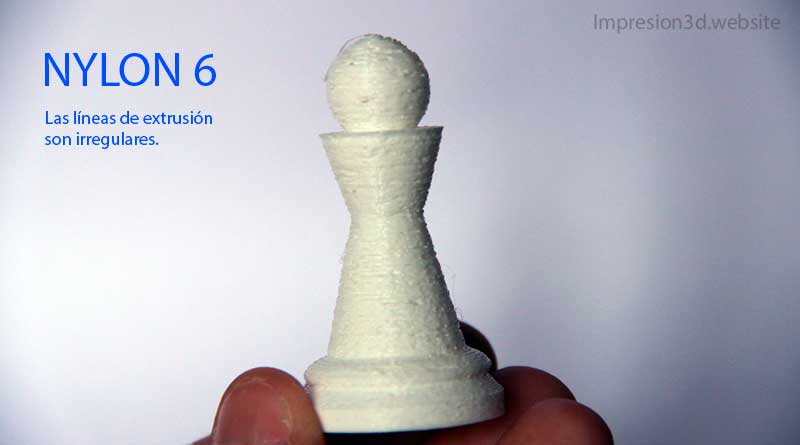
In a material like PETG it may not be as noticeable as in Nylon, but if it's your turn print thin walls, you will be able to appreciate how gaps or cracks occur in the external walls, easily confused with sub extrusion.
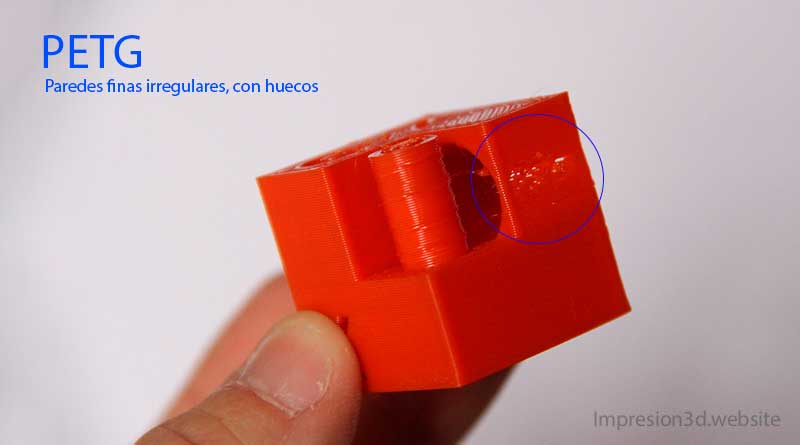
3) The layers do not adhere well. (they get off)
Another adverse effect of humidity on the filaments is to favor the detachment of layers. Especially if it is about filaments that can absorb a lot of moisture such as Nylon.
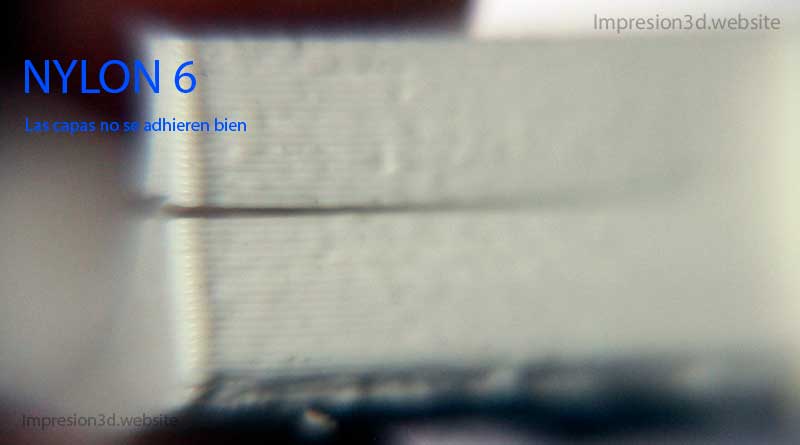
4) Printed parts lose hardness and break easily.
In some cases, especially when printing models with thin walls, humidity can contribute to the loss of hardness, or adhesion of the layers, causing them to break easily.
5) A surplus is produced in the form of bubbles, or "blobs."
This is related to the previous points, those same steam explosions will create an irregular surface, which if you look closely, you can see excess extrusion in the form of bubbles.
6) It can favor stringing, or "threads" in your prints
I want to clarify that there are several reasons why "threads" occur in your prints, but although humidity is not the only reason, has a lot to do with it.
(See: Threads in 3D printing (and how to avoid them))
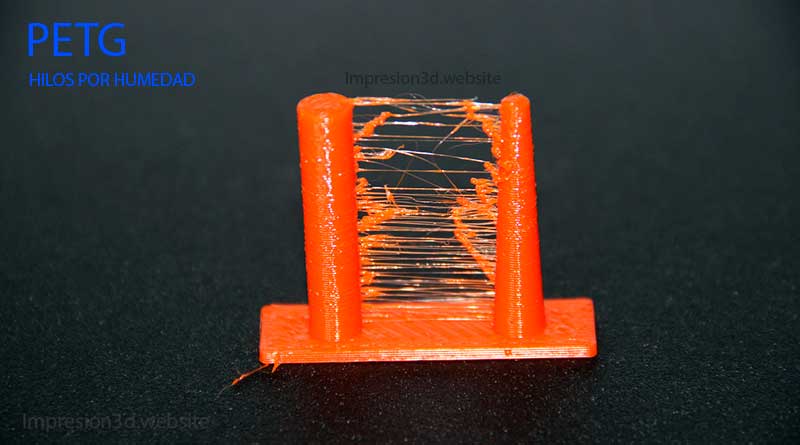
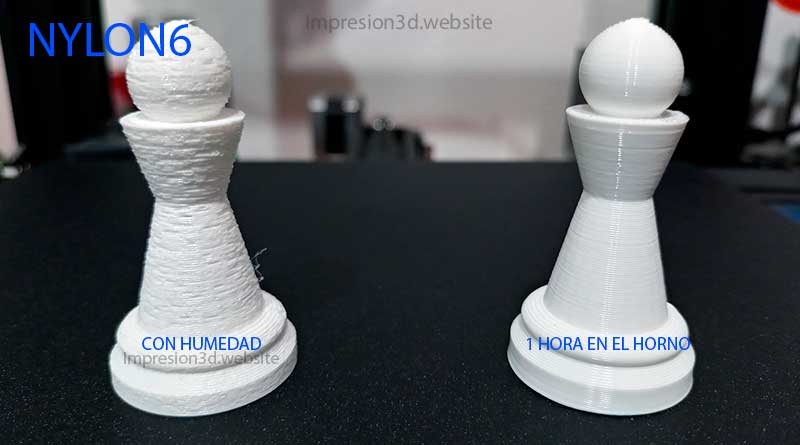
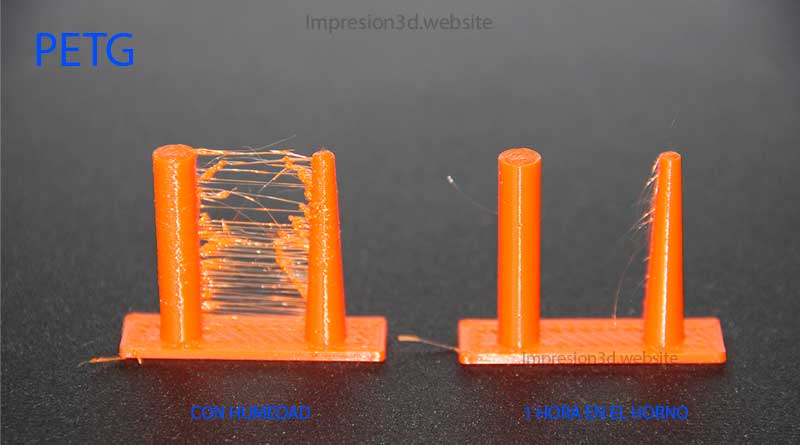
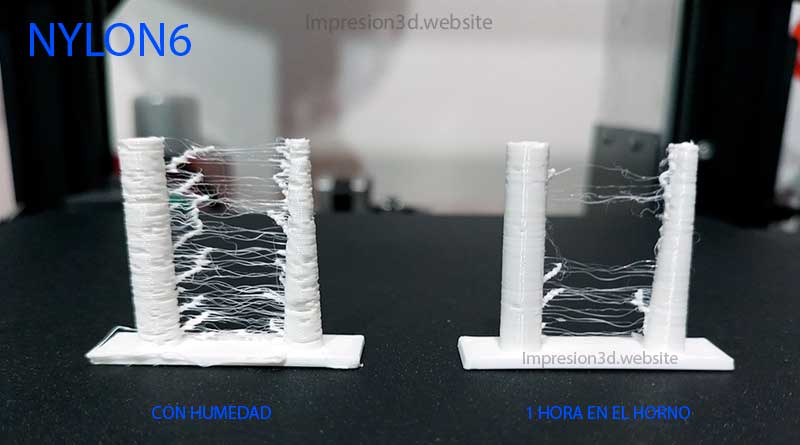
If you want you can experiment printing some towers for compare before and after to dry your filaments.
Below I leave two images for you to compare.
7) Your filament degrades quickly with microcracks.
It may have happened to you, when printing with PLA the filament cuts for no reason. But this can happen for various reasons, such as spool tangles.
You will notice when after re-feeding the extruder with the filament, this is cut again, even while placing it.
How to dry filament with humidity
Probably the easiest for dry filament is to introduce the filament in your domestic oven, set the temperature at 45 °C (for PLA) for 4 hours until the humidity evaporate.
What to do if your filaments have already absorbed moisture? Don't throw them away, or run out to buy new rolls. Better learn all the ways there are to dry filament and keep the ones you already have dry. Keeping your filaments dry, free of moisture, can help your filaments not degrade and maintain the hardness and quality they had when you bought them.
To dry filament, you need to extract all the moisture they have absorbed. For this you will need some tools or methods.
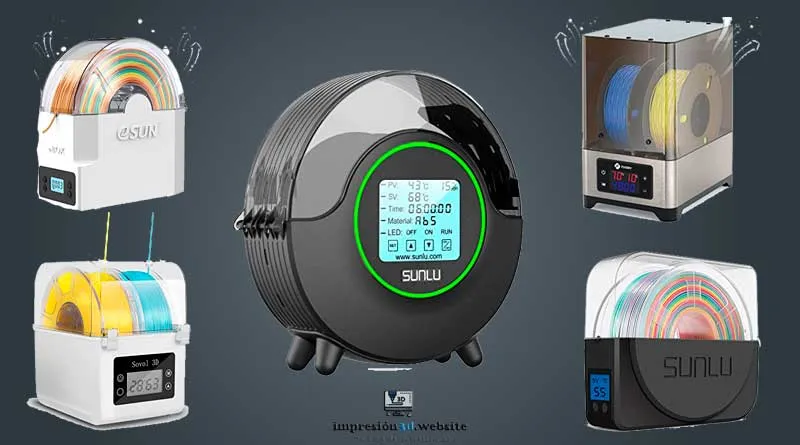
1- 3D filament dryer
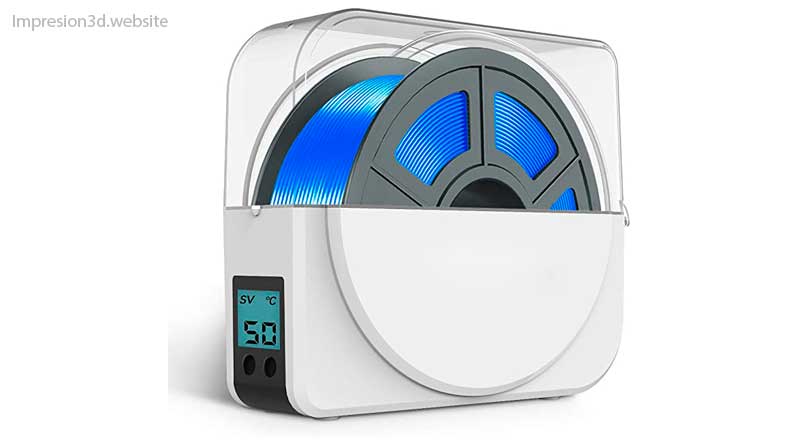
This may be one of the most effective and safe ways to extract moisture from your filaments, since these devices are specifically made to fulfill this function.
These types of boxes can keep the filament dry, free of moisture, since they have their own integrated heater, to which you must set the desired temperature.
Once the dryer has finished its work you can use the filament already free of moisture.
In some cases, this type of dryer can be used in conjunction with the printer, since you can place the filament roll inside, which will have rollers so that the filament can rotate as the printer consumes it.
You can see the different models and prices of filament dryers on Amazon.
I leave you here a list of the best-selling filament dryers:
2- Kitchen oven
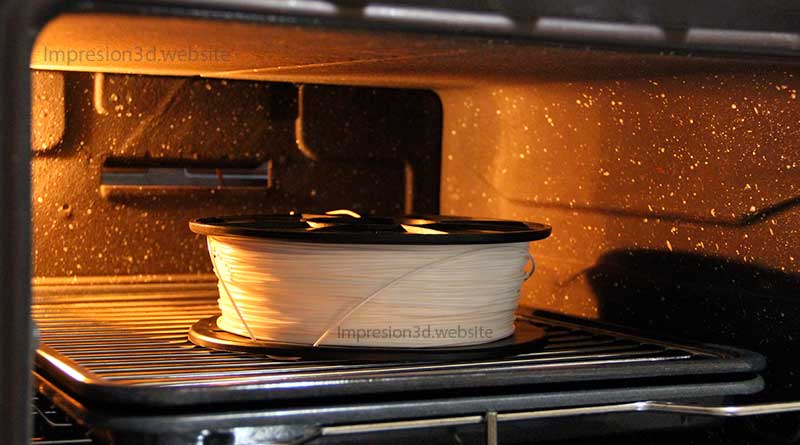
It may not be the most effective and safe way to dry your filaments, but it is one of the most accessible items that anyone can have and have at home without spending money.
At this point I would like to make a clarification: I think you have to be very careful and give special importance to the issue of security.
Never turn on the oven and leave your filaments unattended, as you could completely ruin your filament rolls, or even start a fire.
It was just a clarification, since I consider it very important.
In your oven you will need to set the temperature based on the type of material you want to dry.
Of course not all ovens will come with a temperature gaugeIn these cases, you should purchase a separate temperature gauge (which is hung inside the oven) to have an idea of how many degrees there are inside and thus be able to regulate its temperature.
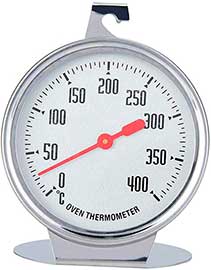
A few things to keep in mind:
- Remember to take everything out of the oven BEFORE turning it on.
- After turning it on, wait for it to reach the desired temperature.
- Once ready, place the filament on a flat surface.
- The oven gets very hot. DO NOT BURN YOURSELF
- If the temperature is too high, THE ROLL WILL BE DEFORMED.
- When you have finished using the oven, DO NOT FORGET TO TURN IT OFF.
3- Food Dehydrator
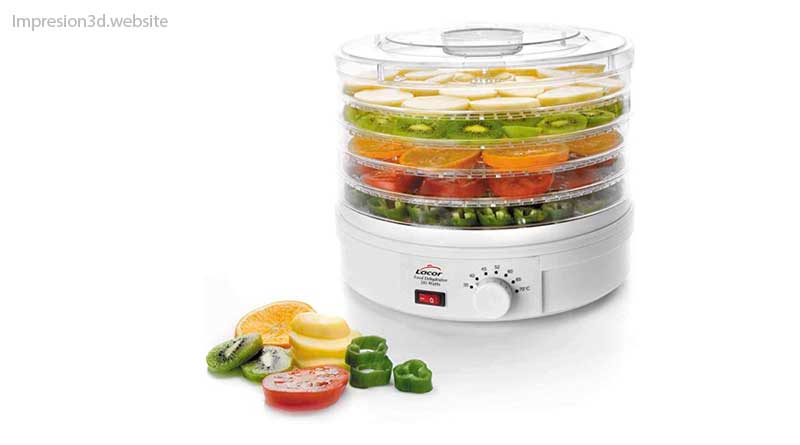
A food dehydrator is ideal for "dry off" filaments, since in many of them the temperature can be regulated, thus achieving the same task as that of the kitchen oven, but perhaps with a little more security, since there is no fire involved.
Depending on the country where you live you must analyze what is cheapersince in some places it may be cheaper to buy a filament dryer than a dehydrator
Youtube channel: bugeo 3d
The options presented here, which have not been specifically designed to do the job of removing moisture from the filaments, may fail or have different temperatures than desired.
For this reason I want to clarify that with these last 2 options (the kitchen oven and the food dehydrator) there must be a trial and error process, since nothing will be safe at 100%
4- The heated bed of your 3D printer?
As I was writing this post I was watching on YouTube as someone suggested that the heated bed of our printer can be used as a method to dry filaments, since in many printers the temperature of the heated bed can go up to 110 degrees Celsius.
Will it be possible? I haven't really tried it, but I found it interesting and that's why I wanted to tell them. What do you think? Has anyone tried it?
Youtube channel: Ricky Impey
Images of Before and After drying the filaments
How to store your filaments
If you have been able to remove moisture from your filaments, or have purchased a new roll, How will you do so that the humidity does not affect them?
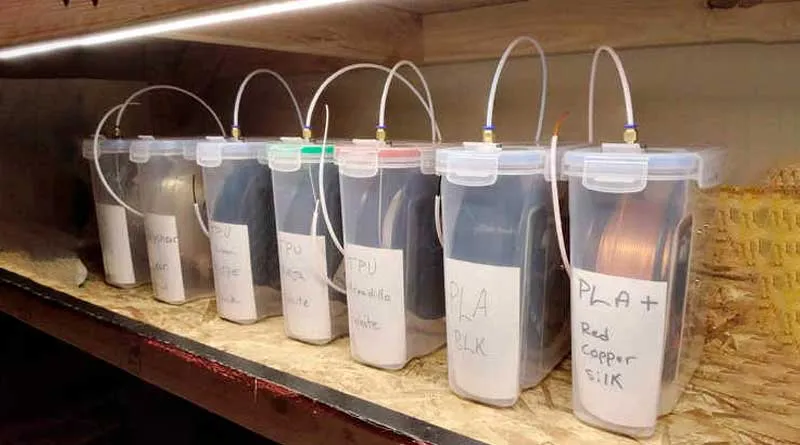
It is important that after dehumidifying, drying, or dehydrating your filaments, store them in an airtight container; preferably filled with desiccant or «SilicaGel».
I deal with this topic in more depth in the post: «As storing the filaments of 3D printing» I invite you to read it, since it may be of interest to you.
Conclusion on Moisture in the filaments
If you do not protect your filaments, humidity will play a trick on you, since the quality of your prints will be affected with different types of problems such as those already mentioned:
- Rough or rough walls
- Layers that don't stick well or peel off
- An excess of threads in your impressions
- cracks
- Bubbles
- Pieces that break easily.
If you are not going to print in a while remember:
- all filaments they are prone to absorbing moisture.
- Do not leave your filaments in the roll holder of the printer, since it sure they will absorb moisture.
- Very wet filaments will "boil" when heated and form bubbles.
- If you suspect that your filament has moisture dry it test.
- you can buy a filament dryer, Food dehydrator or use the kitchen oven to dry them (with great care and temperature control)
- Store your filament in an airtight container with moisture absorbent bags.
I invite you to read: the best Cura setups for beginners either How to calibrate the Flow to obtain more accurate impressions.
Publications recommended:

Responses